- Patented core structure, fully made in
Taiwan
Original spare parts. Imported from Switzerland, Germany, Japan, Canada... - Ozone concentration in water is up to 6
times beyond that of traditional machines
By model differences can be used continuously for 4-9 hours.
Non-traditional aeration type, almost no air escaping.
No need to install oxygen machine, the water discharges immediately without having to wait. - Compared to traditional models for
industry, the size is smaller by more than 80%.
More convenient in installation and use.
Prices are more user-friendly.
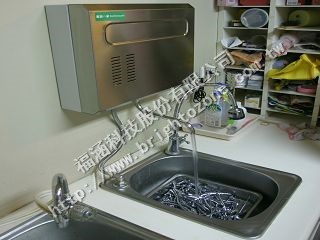
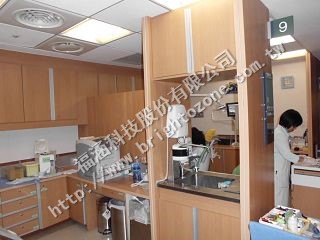
- Medical use Domestic teaching hospitals and clinics
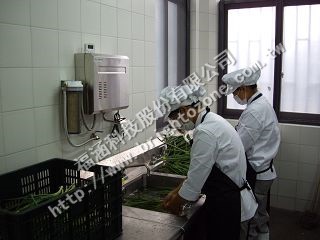
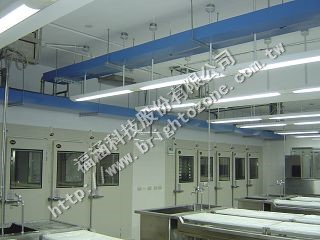
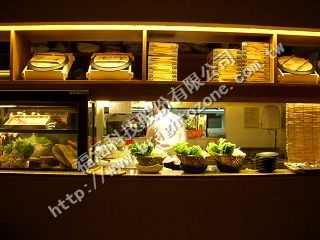
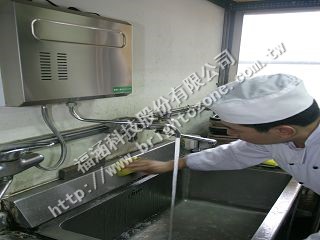
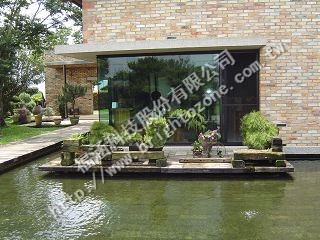
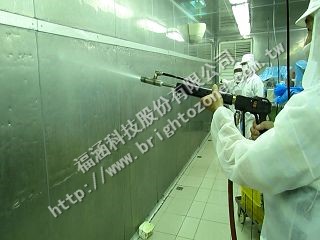
- Commercial use Well-known international chain Food Group plant, well-known chain catering kitchen and central kitchen, Japanese Restaurant (food processing, dressing room), old tea house, kitchen environment cleaning, and many domestic catering locations love to use.
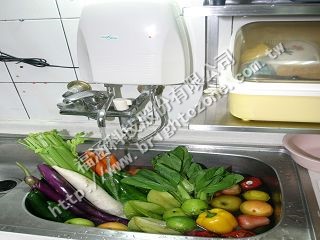
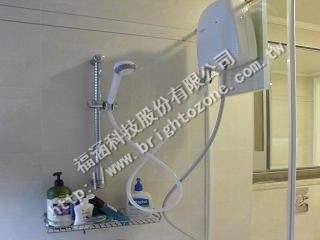
- Household use Kitchen (smoke, food ingredient processing), bathroom (bath, wash, toothbrush), environmental cleaning.
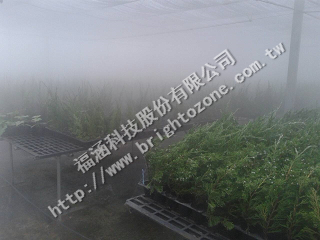
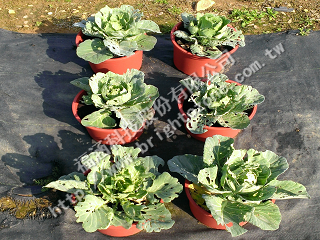
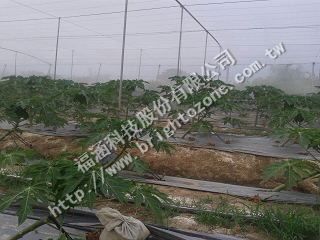
- Agricultural use Screenhouse cultivation of vegetables and flowers, planting restoration, and pest control.
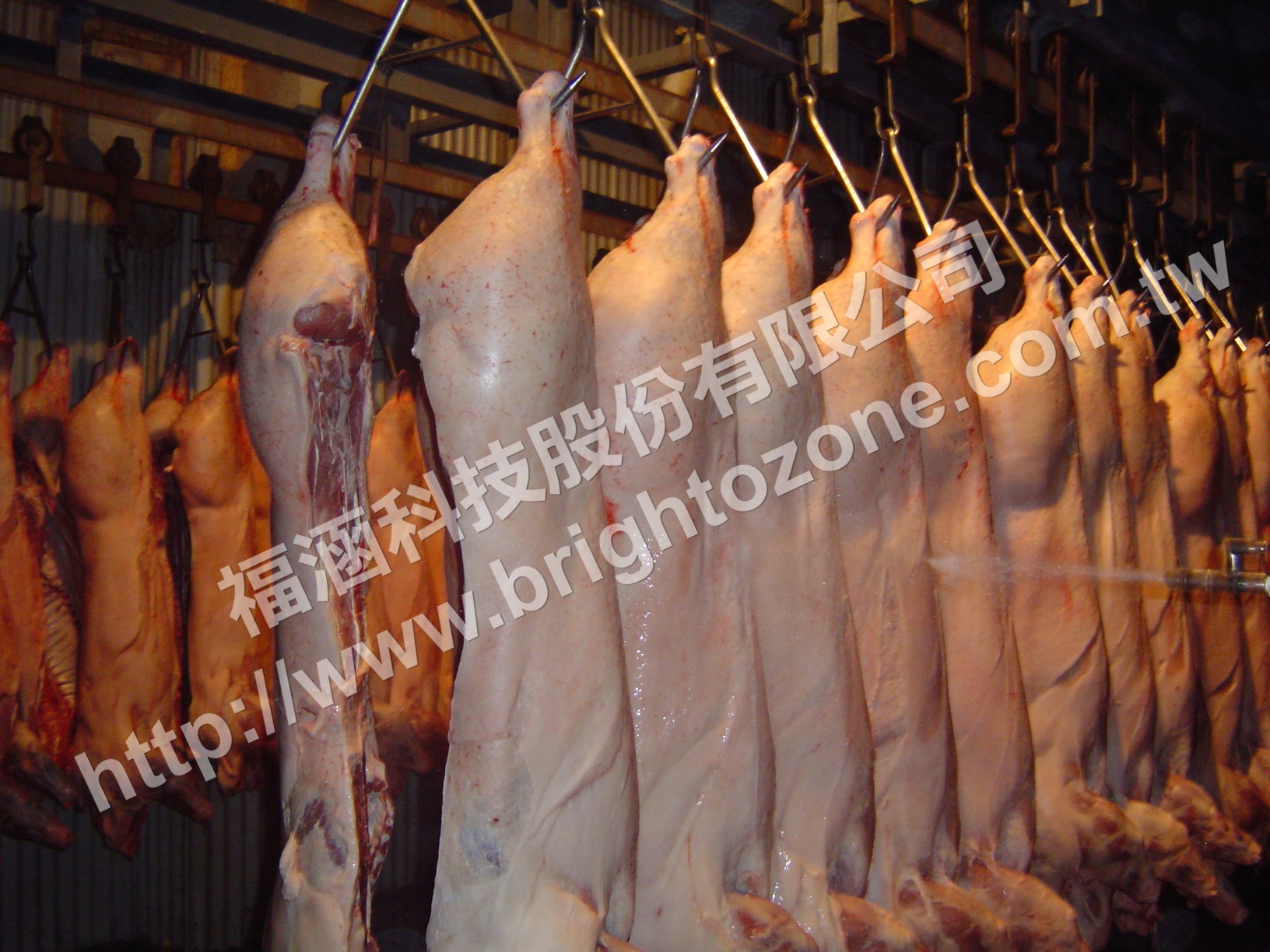
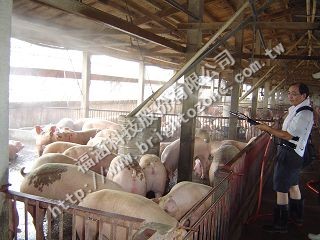
- Livestock farming use All major domestic and foreign livestock slaughterhouses and livestock breeding farms.
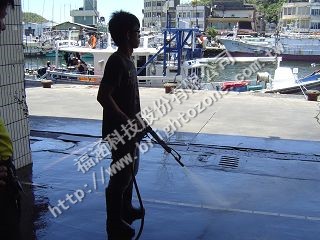
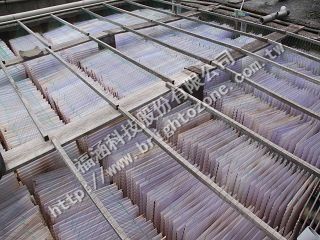
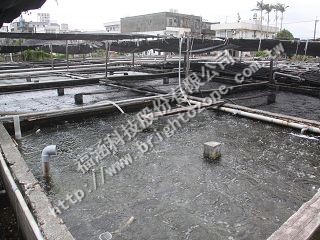
- Aquaculture use Fishing port, aquacultural seedlings breeding farm, and fish farming
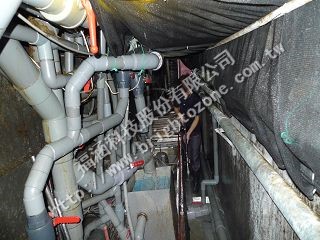
- Industrial use Refrigeration equipment processing, environment cleaning, and waste water treatment.
- Patented parts ODM Sterilization and deodorization of well-known chain cleaners, international brand original automotive equipments, and international brand air-donditioning equipments.
The water dissolved with O3 for application use is regarded as the “almighty water.” It has been used in water purification plants for over a century and it is highly stable. O3 will break down into gas after reaction and there is no concern of any residue and it is highly safe. The safety regulation of the U.S., Europe, Japan and Taiwan towards concentration of O3 in the air is 0.1ppm. The patented technology of Bright Ozone has enabled the concentration of ozone dissipated in the air below 0.01ppm.
Under the standard of O3 with 0.5 PPM concentration, 20°C, E. Coli can be totally eliminated in 5 seconds.
| Microbial | Time |
|---|---|
| H5N1 | 40 sec |
| H1N1 | 20 sec |
| Enterovirus 71 | 20 sec |
| Staphylococcus aureus | 15 sec |
| Pseudomonas aeruginosa | 10 sec |
| Microbial | Time |
|---|---|
| E. Coli | 5 sec |
| Salmonella | 20 sec |
| Serratia marcescens | 20 sec |
| Candida | 50 sec |
| Enterococcus | 20 sec |
| 1886 | The earliest record of using ozone to sterilize in the history was France. |
| 1893 | A Dutch drinking water plant firstly used ozone in water treatment. |
| 1940 | There are over 100 water plants using ozone to sterillize. |
| 1980s | There are already 1,200 water plants using ozone to sterilize (Europe accounted for 80%). |
| 1997 | The US Food and Drug Administration ( FDA ) approved the application of ozone sterilization in bottled water and its production line. |
| Source | Ye Xincheng ( 1992 ) - Study of the Basic Phenomena and Mechaisms of Ozone Sterilization - Master thesis of Institute of Environmental Engineering at National Taiwan University. Baidu Library ( access date : April 2, 2015 ) - the Application of Ozone in the Food Industry. |